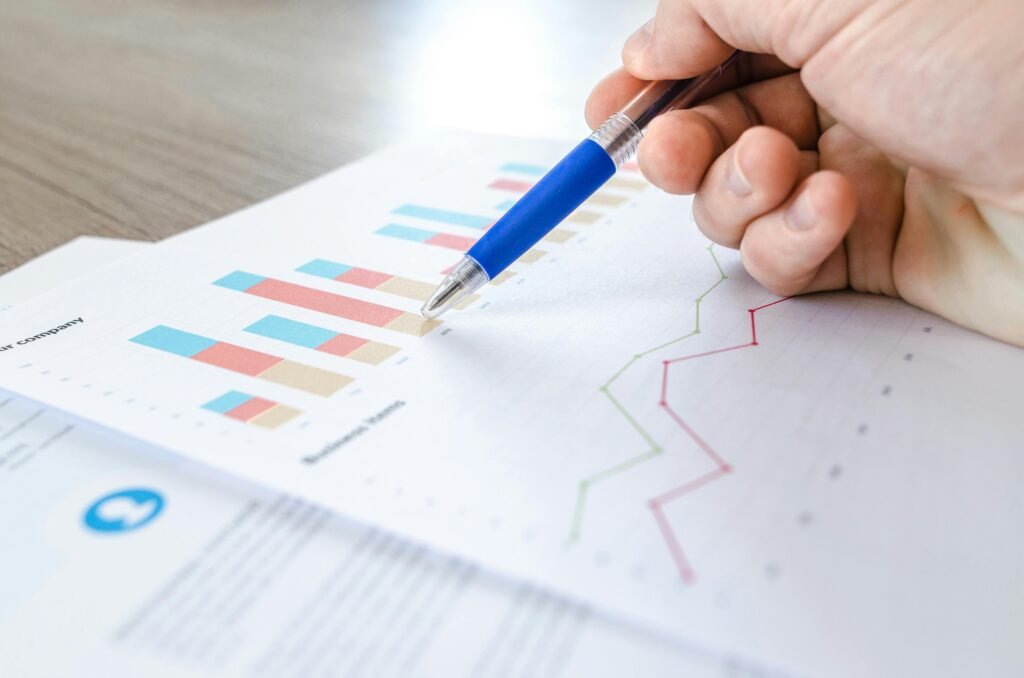
Understanding Financial Markets
A simple, clear introduction to how markets really work
Financial markets may look intimidating at first, but they follow a small set of simple and predictable principles. Once you understand these fundamentals, everything else becomes easier. This section gives you a friendly introduction to the foundations of trading — no complex jargon, no confusing formulas, just the basics explained in a clear and accessible way. For more information scroll down.

What Financial Markets Are
Financial markets are places where people exchange assets such as stocks, currencies, commodities,
or cryptocurrencies. Their purpose is simple: connect buyers and sellers, discover fair prices,
and reflect how the world reacts to economic and political events.
Prices move because traders respond to new information, expectations, company news, interest-rate
decisions, and global sentiment. Understanding this foundation helps beginners see markets as
structured and logical rather than chaotic.
Why Prices Move
Price movement is driven by supply and demand. When more people want to buy than sell, price rises.
When the opposite happens, price falls. But behind that simple rule are many forces that influence
how strong (or weak) those moves become.
Economic reports, inflation data, geopolitical events, interest-rate announcements, and social sentiment
can shift the balance between buyers and sellers in minutes. Learning these drivers helps you interpret
charts more clearly and avoid being caught off-guard by sharp market reactions.

Main Market Types
Not all markets behave the same. Here’s a beginner-friendly view of the most common markets and what usually drives them.
What changes market behavior? Click to expand
Quick tip for beginners Click to expand

Company ownership & earnings
Stocks represent ownership in companies. Prices react to earnings, business performance, and overall economic conditions—often with clearer long-term trends.
Rates, inflation & macro news
The global currency market. It moves based on interest rates, inflation, policy decisions, and economic strength between countries—and is active 24 hours a day.

Fast moves & sentiment
Often the most volatile market, heavily influenced by sentiment, regulation, technology, and adoption. Big opportunities—but also significant risk.

How Traders Operate
Traders don’t “guess” the market—they follow a process: analyze, plan, manage risk, and execute with
discipline. The goal is not to win every trade, but to make consistent decisions with controlled risk.
If you want to build confidence, start with a simple routine: one market, one timeframe, a clear entry
rule, and strict risk limits.
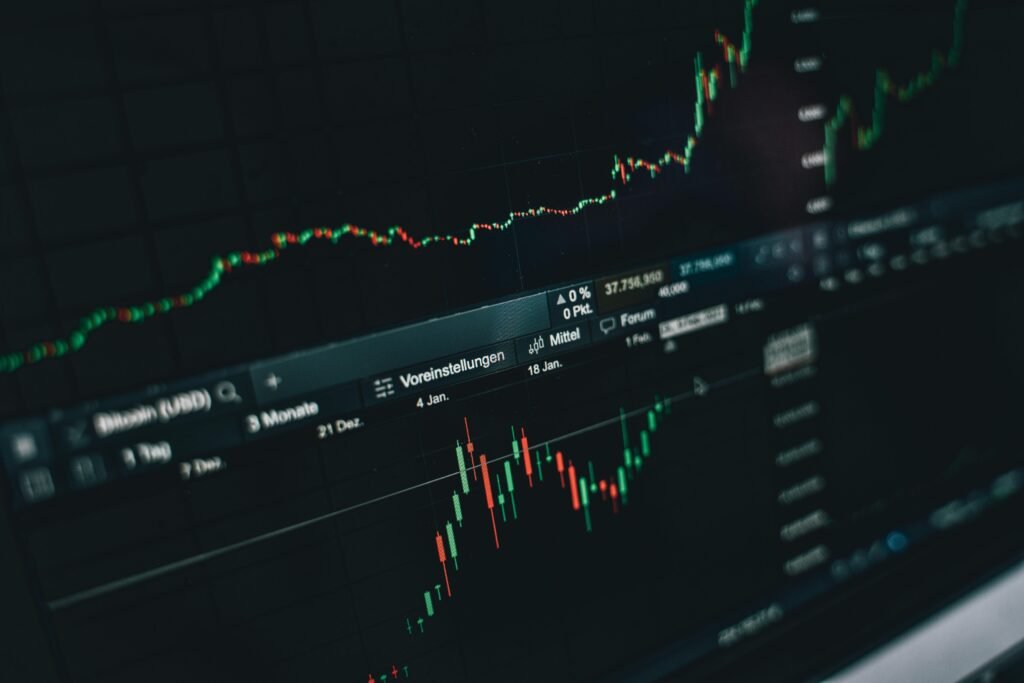
Market Trends & Analysis
Volatility creates opportunity — but also risk.
In this article, you’ll learn how to understand market swings, recognize emerging trends, and make smarter decisions during uncertain or fast-moving periods. Gain clarity so you know when to act and when to wait.

Economic Calendar & Fundamental Drivers
This guide shows you how economic reports, interest rates, inflation data, and global news influence price movement.
You’ll learn how to read the economic calendar step by step and position yourself ahead of major events with confidence, instead of reacting too late.